pregnancy week 3
3 weeks pregnant.
A cluster of cells (the morula and then blastocyst) is drifting through the fallopian tube on its way to the uterus.
Updated 29 July 2026 · Sources: NHS and ACOG
Your baby this week
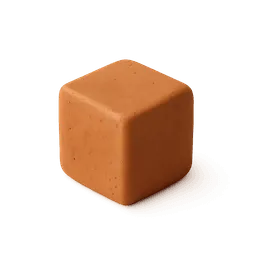
A hollow ball of about 100 cells called a blastocyst. The inner cells will become the embryo; the outer cells will become the placenta.
- Rapid cell division
- Blastocyst forms
- Heading to the uterus
- Inner cell mass appears
What may be changing in your body
Hormones are quietly shifting. A few people notice a slight twinge during implantation late in week 3, but most feel nothing yet.
No symptoms at all
The fertilised egg is still travelling to the uterus, so most people feel nothing this week. An absence of symptoms says nothing about whether conception happened.
Mild bloating
Rising progesterone after ovulation slows digestion slightly, which can leave you feeling puffy. It happens whether or not you conceived, so it is not a reliable clue.
Breast fullness
Progesterone keeps breasts feeling heavy or tender in the second half of any cycle. In a conception cycle, this simply continues rather than fading.
Faint twinges low in the belly
Some people report tiny flickers of sensation late this week as the blastocyst nears the uterine wall. These are subtle at most and easy to miss.
Heightened smell or taste changes
A few people swear they noticed a metallic taste or sharper sense of smell before their test turned positive. Hormones are shifting, but evidence for symptoms this early is thin.
Severe one-sided pain — when to call
Sharp, persistent pain on one side, especially with shoulder-tip pain or bleeding, needs urgent attention as it can signal an ectopic pregnancy. Call your doctor or emergency services straight away.
Your week 3 checklist
- Behave as though pregnant — no alcohol, no smoking, caffeine under 200 mg a day
- Keep taking folic acid every day
- Check your kitchen for foods to pause: raw fish, unpasteurised cheese, undercooked meat, liver
- Resist testing yet — a home test cannot detect anything until implantation produces hCG
A useful partner move this week
The two-week wait between ovulation and a reliable test result is famously hard on the mind. Plan a couple of low-key distractions together — a film night, a walk, a favourite meal — so the days pass without the calendar becoming an obsession. Do not ask about symptoms daily; it adds pressure without adding information.
What comes next
By the end of next week the blastocyst burrows into the uterine wall — implantation. Some women notice light spotting then.
Common questions
How soon after conception does implantation happen?
The fertilised egg typically implants in the uterine wall six to ten days after ovulation, most commonly around day eight or nine. Only after implantation does the body start producing hCG, the hormone pregnancy tests detect. That is why testing before your missed period so often gives a false negative.
Can I feel conception or implantation happening?
Conception itself produces no sensation at all. Around implantation, a minority of people notice a faint twinge or a day of light spotting, but most feel nothing whatsoever. Feeling nothing this week is entirely normal and not a sign that anything went wrong.
Does anything I do in week 3 affect whether implantation succeeds?
Normal daily life — exercise, working, lifting your toddler, having sex — does not dislodge a blastocyst or prevent implantation. Whether implantation succeeds mostly comes down to chromosomal factors outside anyone's control. The helpful things are the quiet ones: folic acid, no alcohol, no smoking.
How many months is 3 weeks pregnant?
Pregnancy months do not divide evenly into weeks, so clinicians date pregnancy in weeks. At 3 weeks, you are in trimester one.