pregnancy week 15
15 weeks pregnant.
The baby can hear muffled sounds now — your voice, heartbeat, and digestion. Bones are getting harder.
Updated 29 July 2026 · Sources: NHS and ACOG
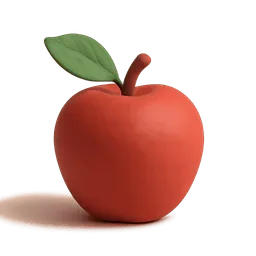
Your baby this week
Limbs are well-proportioned. Skin is still see-through but a thin layer of fat will start building soon. Eyes are still closed.
- Hearing develops
- Bones harden
- Taste buds form
- Practice breathing motions
What may be changing in your body
You may have more energy and clearer skin. Some people start feeling early flutters (called quickening) — like bubbles or popcorn popping.
Possible first flutters
Some people — usually those in second or later pregnancies — feel the first bubbles or flickers of movement around now. If you feel nothing, that is entirely on schedule too.
Nasal congestion and nosebleeds
Rhinitis of pregnancy persists for many through mid-pregnancy. It is a nuisance rather than a worry, and clears after birth.
Heartburn beginning
Progesterone relaxes the valve at the top of the stomach, letting acid creep upward. Smaller meals, not lying down after eating, and antacids approved by your pharmacist all help.
Forgetfulness
So-called baby brain is widely reported in mid-pregnancy — likely a mix of hormones, disturbed sleep and simply having more to think about. Lists and phone reminders are your friends.
Dental sensitivity
Gums remain puffy and teeth can feel more sensitive. Keep up gentle, thorough dental care and attend that check-up.
Feeling the uterus
You may now feel the top of your uterus (fundus) as a firm curve about halfway between your pubic bone and belly button. Feeling it for the first time makes the pregnancy suddenly tangible for many people.
Your week 15 checklist
- Discuss the mid-pregnancy blood tests your provider offers around 15 to 20 weeks (including quadruple screening if relevant)
- Confirm the anomaly scan is booked for the 18-to-22-week window
- Buy one or two properly fitting maternity items rather than sizing up in regular clothes
- Start a short daily wind-down routine — sleep gets harder from here, and habits help
A useful partner move this week
The baby can now hear muffled voices from outside, and there is decent evidence newborns recognise sounds they heard in the womb — so talk to the bump, read aloud, or let it hear the music you love. It can feel silly for the first minute and becomes a habit surprisingly fast. It is also one of the few concrete ways to start your own bond months before birth.
What comes next
Quickening — those first tiny flutters — usually start between weeks 16–22. First-time mums often feel them later than second-time mums.
Common questions
What does quickening feel like at first?
Most people describe the first movements as bubbles popping, a fish flickering, butterflies, or a faint muscle twitch — so subtle that first-timers usually dismiss them as digestion. They are typically felt low in the belly and come and go unpredictably at first. Distinct, unmistakable kicks usually follow two to four weeks after the first flutters.
Can the baby hear me at 15 weeks?
Hearing structures are developing fast, and from around 16 to 18 weeks the baby begins responding to sounds — first your heartbeat and digestion, then muffled voices from outside. Your own voice is the clearest sound in the womb because it also travels through your body. There is no need for special speakers; ordinary talking and singing are exactly the right input.
Why am I getting heartburn when I never used to?
Pregnancy hormones relax the ring of muscle between your oesophagus and stomach, letting acid reflux upward — and later, the growing uterus pressing on the stomach adds to it. Eating smaller meals, avoiding late-night food, limiting spicy and fatty triggers, and sleeping slightly propped up all reduce it. If it is severe or persistent, your midwife, doctor or pharmacist can recommend pregnancy-safe antacids.
How many months is 15 weeks pregnant?
Pregnancy months do not divide evenly into weeks, so clinicians date pregnancy in weeks. At 15 weeks, you are in trimester two.